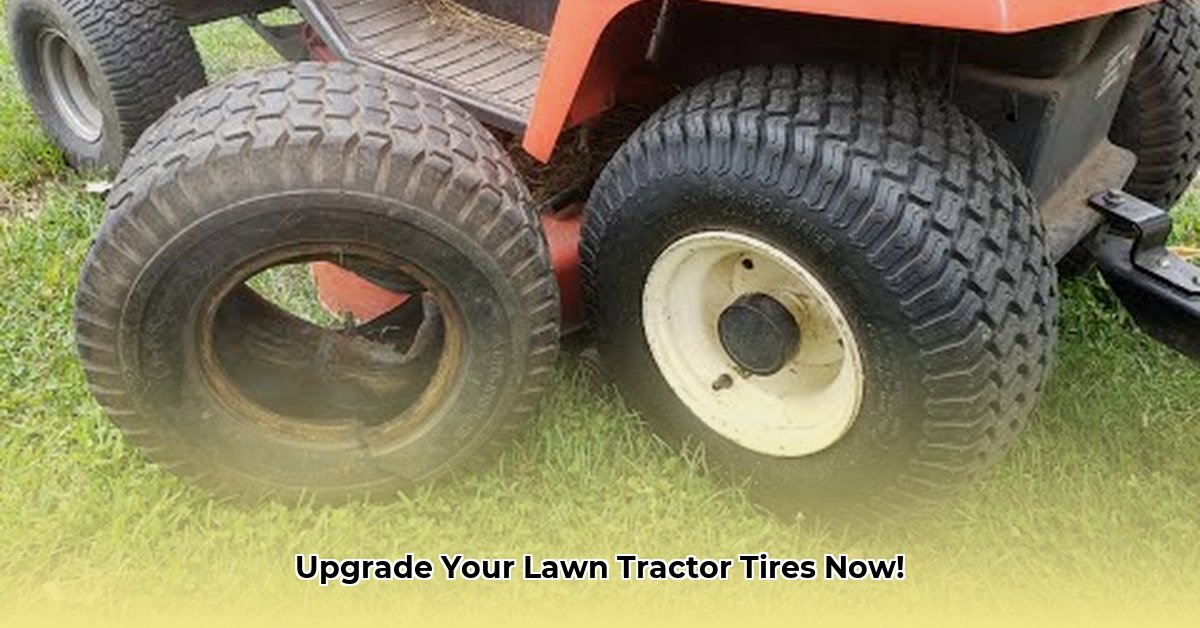
Choosing the right tires for your lawn and garden tractor significantly impacts its performance, longevity, and your overall mowing experience. This comprehensive guide will help you navigate the world of lawn tractor tires, empowering you to make informed decisions. For more information on maintaining your tractor's engine, check out this helpful guide on tractor oil.
Understanding Your Needs and Terrain
Before selecting tires, assess your lawn's characteristics. Do you primarily mow flat, manicured lawns, or do you tackle challenging terrains with hills, bumps, and uneven surfaces? This initial assessment is critical. For instance, a small, flat yard might only require basic tires, while a hilly, uneven lawn demands more robust options. Think of it like choosing shoes – the right ones make the job easier and more comfortable.
Different Tire Types Explained
Several tire types cater to specific needs. Let's explore the key differences:
Bias-Ply Tires: These are the classic, economical option. They offer decent durability but may provide a less comfortable ride compared to other types. Think of them as the reliable workhorse of the tire world.
Radial Tires: Radial tires boast superior durability and a smoother ride thanks to their layered construction. They're a worthwhile investment if you frequently use your tractor on challenging terrain or value comfort.
Turf Tires: Designed for delicate lawns, turf tires minimize soil compaction, protecting your grass and providing a gentle touch. They are the ideal choice for pristine lawns.
All-Terrain Tires: These versatile tires handle a variety of surfaces reasonably well, making them a decent compromise for mixed landscapes. However, they may not excel in any single area as much as specialized tires.
Key Specifications to Consider
Beyond tire type, several key specifications influence your choice:
Tire Size: This is crucial! Incorrect sizing can damage your tractor. Always consult your owner's manual; it specifies the correct sizes for your model. Using the incorrect size tires can compromise the performance and safety of your machine.
Tread Pattern: The tread's design impacts traction and ride quality. Deep, aggressive treads excel on uneven or muddy terrain, while shallower treads offer a smoother experience on level surfaces. Deep treads are best for gripping uneven terrain, while shallower treads are ideal for flat terrains.
Load Capacity: Ensure your tires can support your tractor's weight, even with attachments like a tiller or snow blower. Overloading tires leads to premature wear and tear. It is vital to ensure your chosen tires can easily handle the combined weight of your tractor and any attachments without compromising performance.
A Step-by-Step Guide to Choosing the Right Tires
Selecting the perfect tires doesn't have to be overwhelming. Follow these steps:
Consult Your Owner's Manual: Your manual is your primary resource. It lists the recommended tire specifications for your model. This step ensures compatibility and optimal performance.
Assess Your Terrain: Honestly evaluate your lawn's characteristics. Are surfaces mostly level, or are there significant slopes and uneven patches? This will greatly influence your tire choice.
Consider Usage Frequency: How often do you use your tractor? Daily use justifies investing in more durable, longer-lasting tires. Regular usage will dictate the quality of tire that is needed for the task at hand.
Shop Around and Compare: Explore different brands and models to compare prices and features. You might find a tire that provides the perfect balance of quality and cost.
Read Reviews: User reviews offer valuable insights into real-world experiences with various tire brands and models. User reviews will allow you to get a better idea of what tires would work for your needs.
Professional Installation (Recommended): While DIY installation is possible, professional installation ensures proper mounting and minimizes the risk of damage.
Tire Type Comparison Table
| Tire Type | Pros | Cons | Best For |
|---|---|---|---|
| Bias-Ply | Affordable, reasonably durable | Rougher ride, shorter lifespan | Occasional use, simple yards |
| Radial | Smooth ride, longer lifespan, more durable | More expensive | Frequent use, challenging terrains |
| Turf Tires | Minimizes ground compaction, protects lawns | Less durable than other types | Pristine lawns, delicate gardens |
| All-Terrain | Versatile for varied terrains | Not specialized for any specific terrain | Mixed landscapes with varying terrain types |
Maintaining Your Tires for Optimal Performance
Proper maintenance extends tire lifespan. Regularly inspect your tires for cuts, punctures, and excessive wear. Maintaining the correct tire pressure, as recommended by the manufacturer, is also crucial. Neglecting these steps leads to premature wear and increased replacement costs.
Choosing the right lawn and garden tractor tires is an investment that pays off in improved performance, longer equipment lifespan, and a more enjoyable mowing experience. By following this guide, you'll be equipped to make the best choice for your specific needs.